On Our Doorstep

Revealing the Potential of Masau

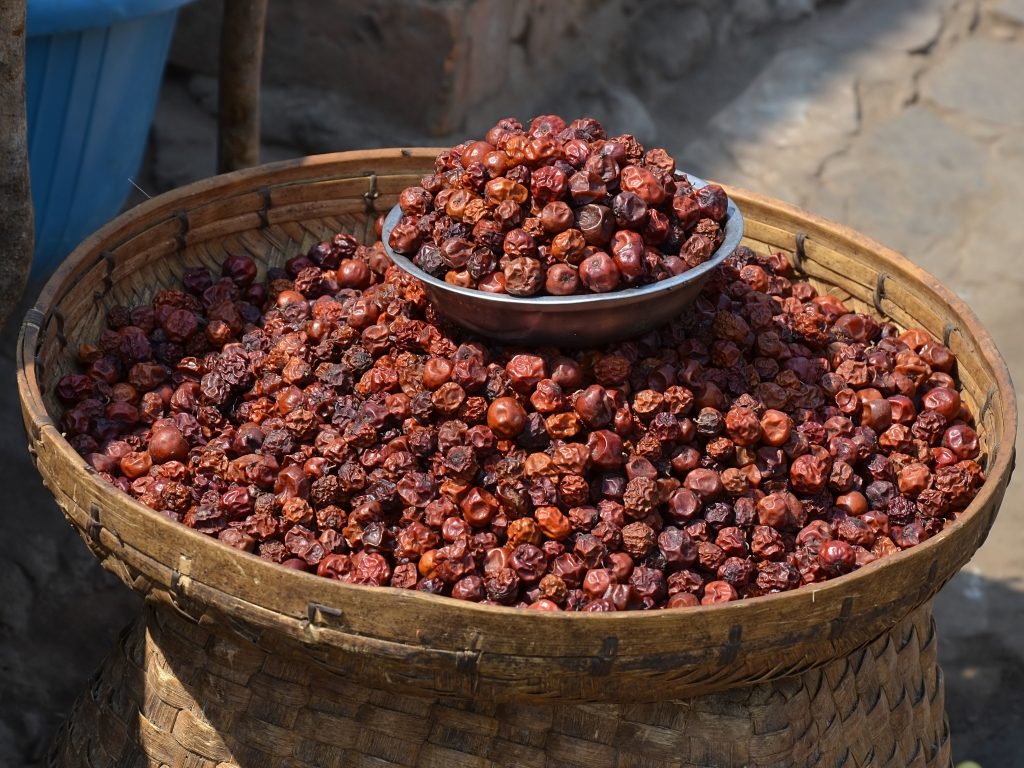
By Tracy Mapfumo Indian Plum or Chinese Date? The Masau (Ziziphus mauritana) is a tropical fruit tree species. Though not indigenous, it has widely naturalised in Southern Africa. Masau originated in India and arrived in Zimbabwe via Arab traders plying coastal routes of Mozambique. The Masau fruit has however developed characteristics different from fruits found […]

Revealing the Potential of Masau Read More »
Going Nuts with Mongongo

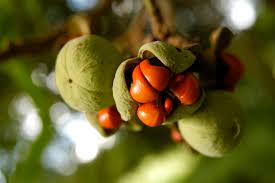
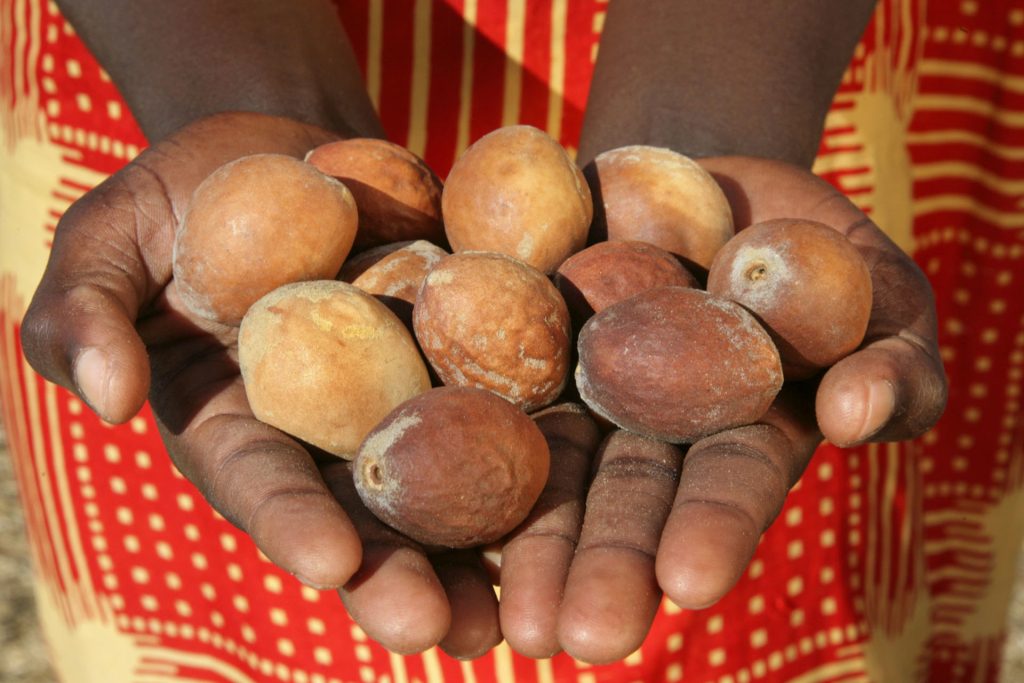
By Tracy Mapfumo Mongongo is yet another wild tree nut found in Zimbabwe. The tree (Schinziophyton rautanenii) has been used by natives of the Kalahari for centuries. The tree is widely distributed in Southern Africa. In its ‘core’ area (Namibia, Botswana, Zambia and western Zimbabwe), it can be found in large stands, across the well-drained Kalahari

Going Nuts with Mongongo Read More »

Moringa

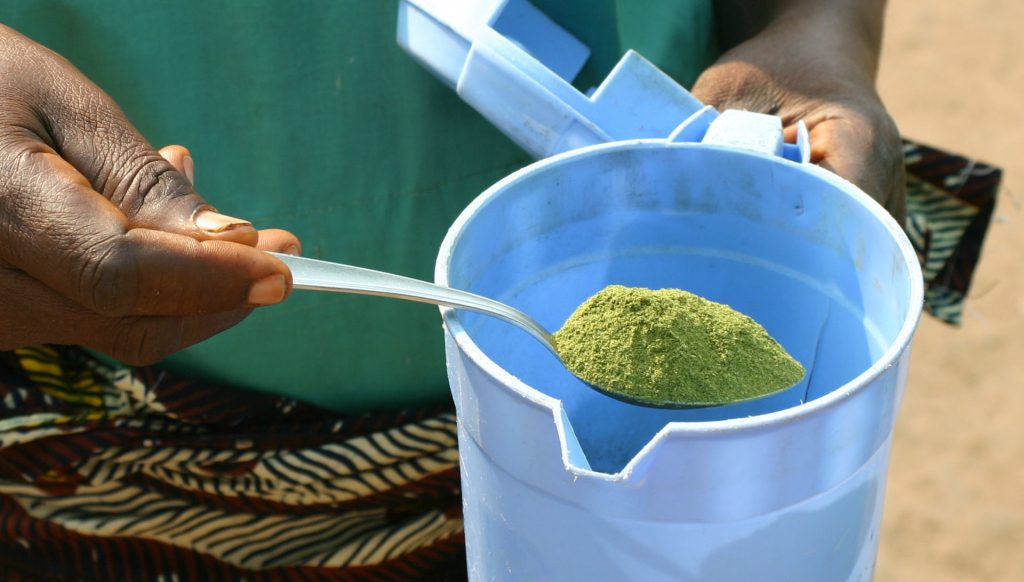
The One Stop Shop for Nutrients By Tracy Mapfumo   Have you ever imagined what a nutritional powerhouse would look like? Its face would be the Moringa Tree. Moringa (Moringa oleifera) is a multipurpose tree native to India. The tree is well known for its wide adaptability, ease of establishment and it is widely grown

Moringa Read More »

The Beauty of Cape Mahogany

By Tracy Mapfumo A number of mahoganies exist. However, unique in its beauty is the Trichilia emetica which is commonly known as Cape Mahogany (Mutsikiri-shona and Umkhuhlu-Ndebele). It is an evergreen tree with glossy dark green leaves.  It is found in Southern Africa, mainly distributed in the eastern parts of South Africa, Mozambique, Zimbabwe and northwards

The Beauty of Cape Mahogany Read More »

Sausage Tree

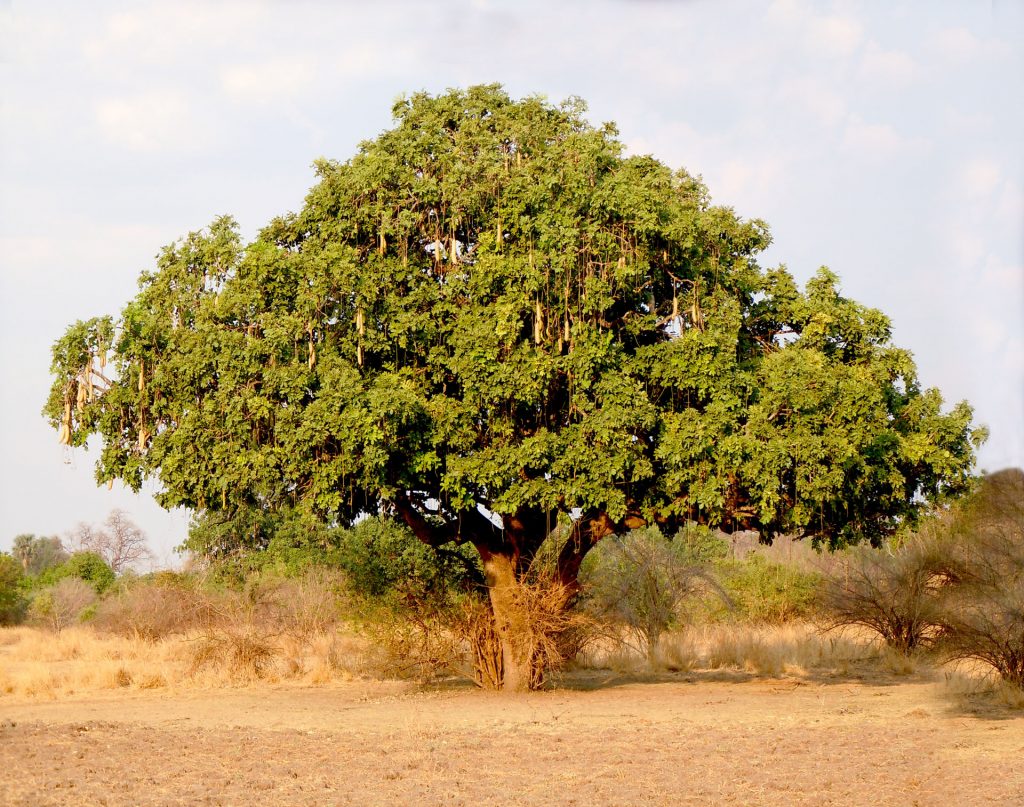
By Tracy Mapfumo Does the sausage tree bear barbeque sausages? Absolutely not! Kigelia africana is a tropical tree found only in Africa and is widely grown and distributed in Southern, Central and Western Africa, from Eritrea and southern Chad to northern South Africa, and west to Senegal and Namibia. Kigelia can be found along riverbanks,

Sausage Tree Read More »

The Livingstone Potato

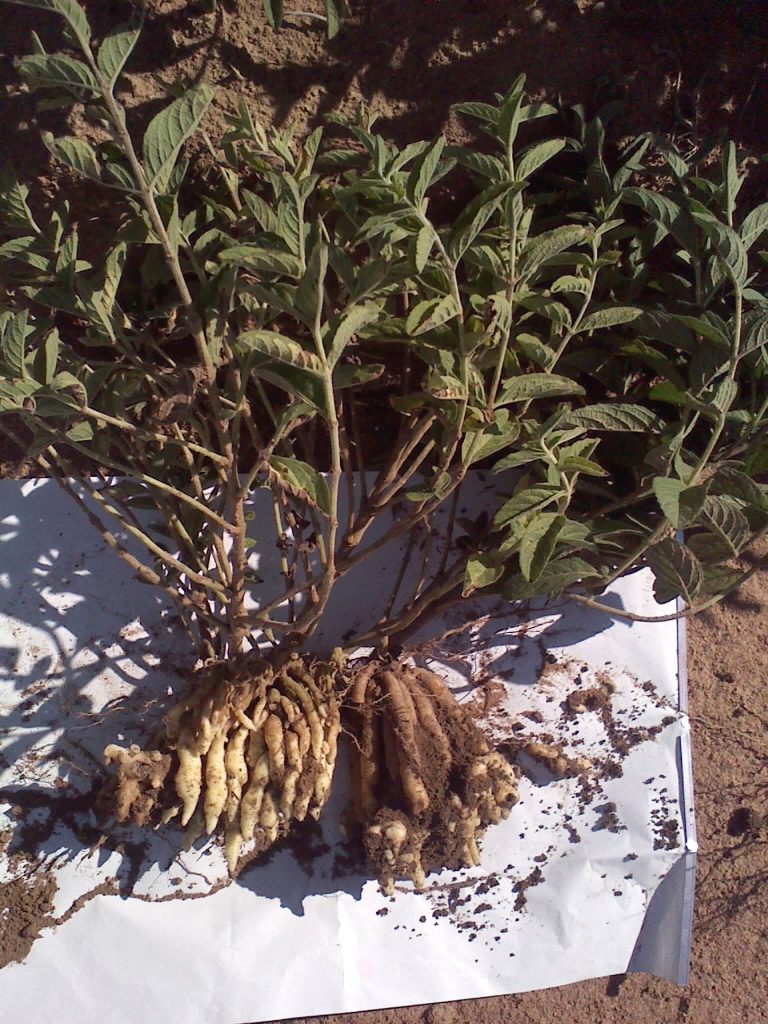
By Tracy Mapfumo Has it ever occurred to you that other potatoes exist apart from the Irish potato and sweet potato? The Livingstone potato known as Tsenza in Shona and Umbondiwe in Ndebele is one of the edible indigenous tuber crop. The Livingstone Potato (Plectranthus esculentus) has had little attention globally, but it could play a

The Livingstone Potato Read More »

Edible Insects: A Zimbabwean Delicacy

Tracy Mapfumo Insects are often recognised as pests or nuisances, yet they playan essential role in increasing food security and providing ecosystem services (pollination, waste degradation, and biological control). Edible insects are a good source of protein, vitamins and minerals – hence they can be used for food both for people and livestock. Some are also efficient

Edible Insects: A Zimbabwean Delicacy Read More »

The False Wild Medlar

By Tracy Mapfumo One can never have enough of the many wild fruits available in Zimbabwe! The false wild medlar (Vangueriopsis lanciflora) is an astounding fruit. In Shona the wild medlar is called matufu and in Ndebele it is called umviyo or umsomosomo. In Africa a number of medlars exist, but V. lanciflora is considered

The False Wild Medlar Read More »

Zimbabwe’s Super Vegetables

Tracy Mapfumo If you walk through a vegetable garden in Zimbabwe, whether in an urban or rural area, it is likely that you will wade through a sea of blue-green leaves belonging to either rape or covo. Covo is a nationwide favourite, eaten daily as an accompaniment to the staple sadza. Things were not always

Zimbabwe’s Super Vegetables Read More »

Remarkable Returns from the Little Finger Millet

By Tracy Mapfumo Millets are underutilized crops in most parts of the world. However, because of their ability to survive under stressful environments, growing human population and decreasing water supplies make these crops crucial for nutrition. Finger millet (Eleusine coracana) in particular is well adapted to a wide range of environments as it is drought

Remarkable Returns from the Little Finger Millet Read More »